

In 2025, the average American medical student graduated with new initials by their name and over $250,000 worth of debt (Hanson, 2025). The U.S. Army can change that. Through the Health Professions Scholarship Program (HPSP), medical students can forge a “civilian path” to their preferred medical school without ever footing the bill.
The HPSP is a fully comprehensive financial aid program that sets medical students up for debt-free leadership and success in their chosen healthcare specialty and beyond. Those admitted to the program receive 100% tuition coverage at any accredited medical, dental, or veterinary school in the U.S. or Puerto Rico, a monthly stipend of approximately $3,000 for living expenses, and full coverage for all books, equipment, and required fees. Additionally, new recipients receive a $20,000 signing bonus and are commissioned as Second Lieutenants in the Medical Service Corps while still in school.
“The big takeaway is that HPSP is a launching platform for your career,” said Lieutenant Colonel Mary Alice Noel, MD, MBA. “It empowers members to reach their medical goals without significant student debt, giving them access to amazing leadership jobs they potentially would not get on the civilian side.”
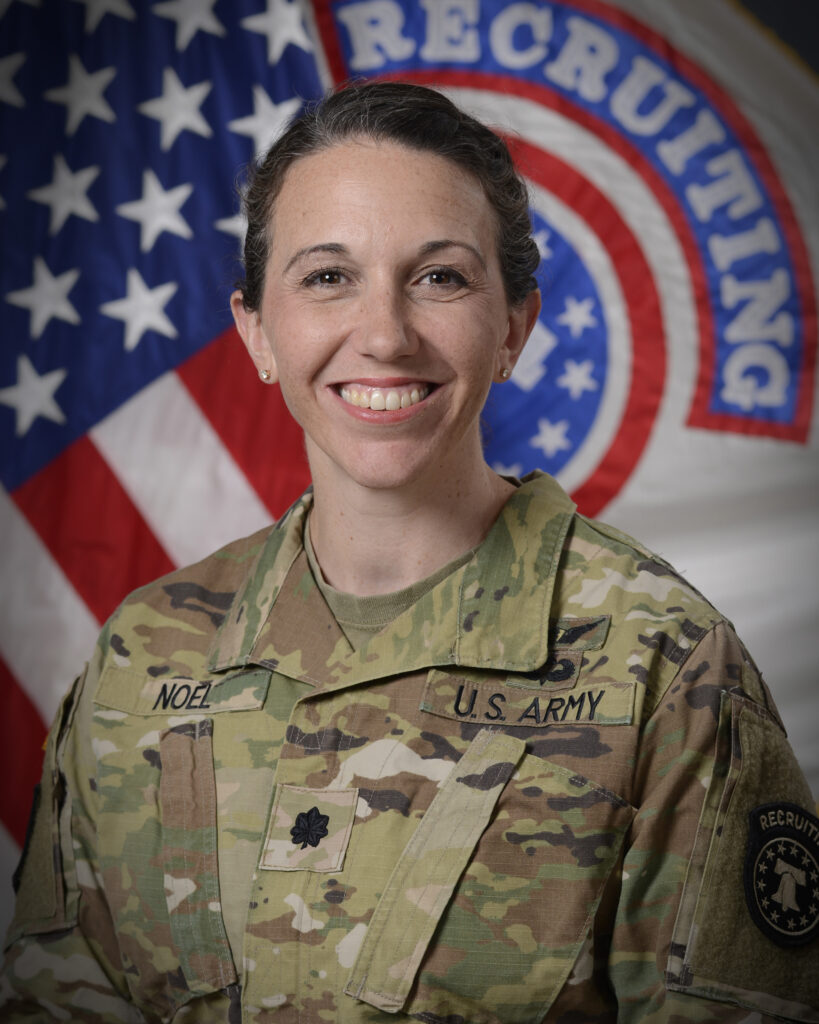
The Army four-year scholarship results in four years of service obligation as an Active Duty staff physician. The Army also offers three-, two-, and one-year scholarships that will result in a three-year service obligation. Following graduation, participants usually perform their residency in a military hospital. While these residency years do not count toward the four-year payback period, residents are paid a full officer’s salary during this time. The benefits of this “military match” are significant, boasting an 85% match rate for a student’s specialty of choice within Accreditation Council for Graduate Medical Education (ACGME) programs, according to Noel.
For many, the transition from student to officer is where the most profound growth occurs. Noel notes that HPSP recipients enter the workforce managing medical teams much earlier than their private-sector counterparts.
“My first job out of residency was working with an Army unit of 3,500 Soldiers, and I was the lead physician for those Soldiers,” Noel said. “I got to oversee the running of the clinic right out of residency. The military doesn’t just give you leadership training; it lets you apply it in real-time.”
The military utilizes a salary-based system; therefore, physicians are not compensated based on performance metrics or reimbursement rates. This environment shifts the focus from administrative burdens to patient outcomes. The doctors focus strictly on providing evidence-based care to service members and their families.
While the HPSP offers the scholarship for any accredited school in the United States or Puerto Rico, students can also pursue debt-free service as a military physician by attending the Uniformed Services University of Health Sciences (USU) in Bethesda, Maryland. This school is an accredited allopathic (M.D.) program that incorporates 100 hours of military unique curriculum in addition to medical training. USU is tuition-free, and the students are considered on active duty in the Army, Navy, Air Force, Public Health Service, or Coast Guard, from day one. This means they are paid O-1 salary with additional health insurance benefits for them and their families (more than $92,000 a year); however, these students have a seven-year active-duty service obligation.
For HOSA members interested in the program, the application process typically aligns with the medical school application timeline. Eligibility requires U.S. citizenship, a bachelor’s degree (in progress or completed) from an accredited school, full-time enrollment in a professional school, and maintenance of full-time student status (U.S. Army, n.d.).
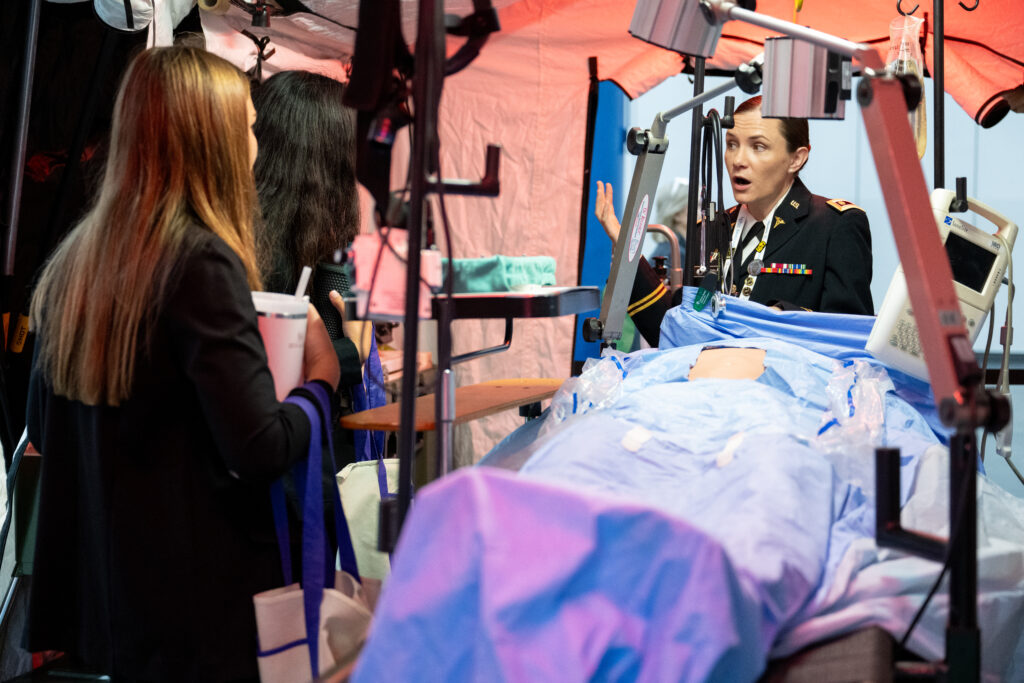
According to Noel, top-tier candidates are those who can clearly articulate their “why.”
“People need to really understand why they want to get into medicine and demonstrate a heart of service to that mission,” Noel said. “When you’re serving with the Army, you’re serving with a purpose that’s bigger than yourself.”
The HPSP is more than a financial solution; it is a professional accelerator that removes the burden of educational debt. The future of healthcare has many avenues, and HOSA members have the opportunity to choose how they will make an impact.
Ready to learn more about the HPSP? Visit the Army website or contact a local Medical Recruiting Battalion. You can also access webinars and free educational tools at medschool.usuhs.edu. For those attending the 2026 HOSA International Leadership Conference in Indianapolis, you can meet Army medical representatives in person to get your questions answered and hear about life in the service.
Further Resources
Finding Your Why: For more guidance on articulating your professional purpose as discussed by LTC Noel, view the resource “Find Your Why?” recommended by Jim Koeninger, PhD, HOSA – Future Health Professionals Executive Director Emeritus.